


-

Add: HeBei ShengShi HongBang Cellulose Technology CO.,LTD.
-

Email
13180486930@163.com -

CONTACT US
+86 13180486930
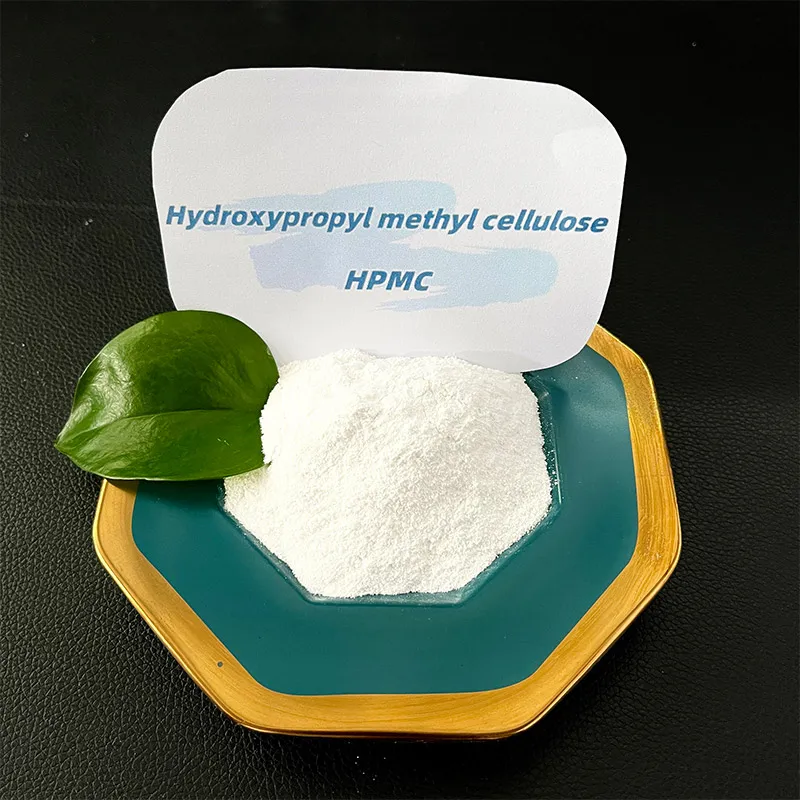

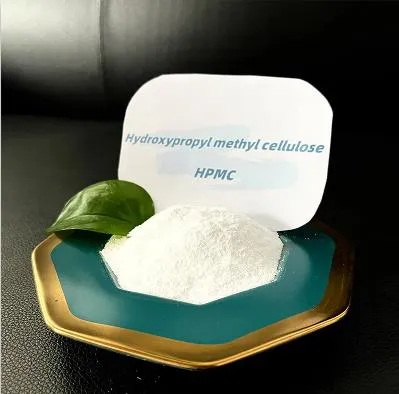


Exploring the Viscosity of HPMC A Unique Insight into its Applications and Benefits The world of additives and ingredients has been continually evolving, and among them, Hydroxypropyl Methylcellulose (HPMC) stands out due to its multifaceted applications and exceptional properties. One of its critical characteristics is viscosity, an essential factor determining its utility in various industries, from pharmaceuticals to construction. Understanding HPMC viscosity not only allows for better application but also ensures a superior product experience, reinforcing expertise, and establishing credibility in the market. Hydroxypropyl Methylcellulose, or HPMC, is a cellulose-derived polymer, known for its versatility and non-toxic nature. Viscosity, in the context of HPMC, refers to its resistance to flow, crucial in defining the product's performance. This characteristic can significantly influence how HPMC is used in different formulations, dictating everything from the texture of a product to its stability and efficacy. In the pharmaceutical industry, HPMC is a dependable asset due to its viscosity, which plays a pivotal role in drug delivery systems. For instance, its application as a controlled release agent hinges heavily on its viscosity properties. By adjusting the viscosity, manufacturers can tailor the release rate of active pharmaceutical ingredients, thus enhancing the therapeutic effect and improving patient compliance. Experts emphasize the precision required in calibrating HPMC viscosity to achieve desired drug-release profiles, showcasing professional expertise and technical know-how. Beyond pharmaceuticals, the viscosity of HPMC is also invaluable in the construction industry, particularly in the formulation of cement and tile adhesives. Here, the right viscosity ensures optimal water retention and workability. Construction experts often highlight the importance of selecting the appropriate viscosity level to ensure that cement mixes maintain their integrity and adhesion capabilities under various environmental conditions. This professional insight underlines the authoritative knowledge required to employ HPMC effectively in construction applications, contributing to the long-term durability of structures. hpmc viscosity The personal care industry similarly benefits from HPMC's viscosity . It acts as a thickening and gelling agent in creams and lotions, enabling the creation of products that deliver a luxurious feel and consistent performance. Savvy formulators understand that manipulating HPMC's viscosity can result in textures that enhance user experience, making the product both sensorially pleasing and functionally superior. This expertise is critical for brands aiming to establish trustworthiness with consumers who seek quality and reliability in personal care offerings. Trust in HPMC’s viscosity extends to its environmental friendliness and safety. Being biodegradable and derived from plant cellulose, it meets the increasing demand for sustainable ingredients, aligning with eco-friendly values. The trustworthiness that comes from using a product that is both effective and environmentally conscious cannot be overstated, especially in markets where consumer awareness around product sustainability is growing. Furthermore, scientific studies and historical usage reinforce the authority and trustworthiness of HPMC across industries. Research consistently demonstrates the stable performance of HPMC, with studies highlighting its low allergenic potential and adaptability in various formulations. This extensive documentation provides an authoritative backdrop, reassuring manufacturers and consumers alike of its efficacy and safety. For those entering the market or seeking to refine their product formulations, understanding HPMC viscosity is not merely an option but a necessity. Mastery of this attribute can lead to groundbreaking product innovations and improvements, securing a competitive edge in the industry. By consulting with chemists and industry experts, and referring to scientific literature, businesses can harness the full potential of HPMC, validating their commitment to quality and expertise. In conclusion, the viscosity of HPMC is more than just a physical property; it is a cornerstone of its application across diverse industries. With its ability to influence product performance and consumer satisfaction, HPMC stands as a testament to effective and trustworthy product formulation. Embracing its viscosity not only enhances product quality but also fortifies a brand's reputation as a leader in innovative and reliable solutions.
- 40000tons

Production
- 20+years

Experience
- 5000+㎡

Acreage

-
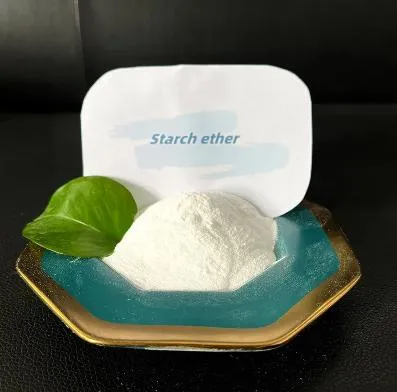
Hydroxypropyl methylcellulose (HPMC) E50 is a versatile and highly valued polymer in various industries, including pharmaceuticals, cosmetics, and construction. Its unique properties make it a product of choice for many manufacturers seeking to enhance the quality and efficiency of their applications. HPMC E50 is a non-ionic cellulose ether derived from natural cellulose, a renewable resource, making it an environmentally friendly option. This compound is known for its remarkable ability to form films and create gels, which are crucial for processes like drug formulation in the pharmaceutical industry. The polymer's consistency and reliability help create controlled release formulations, leading to improved bioavailability and patient compliance. Pharmaceutically, HPMC E50 is indispensable due to its role as an integral part of tablet film coatings. It provides excellent adhesion properties, protects the medicine from moisture, masks taste, and controls the release of the active ingredient. These capabilities not only enhance the stability and shelf-life of pharmaceutical products but also ensure accurate dosing. Manufacturers appreciate HPMC E50's non-reactivity, ensuring it does not interact adversely with active pharmaceutical ingredients (APIs), thereby maintaining the integrity and efficacy of the drug. The construction industry also benefits significantly from HPMC E50, particularly in the production of dry mix mortars and tile adhesives. Its ability to retain water efficiently results in improved workability and extended open time of the mortars. This property reduces cracking and enhances the bonding strength of tiles, thereby ensuring long-lasting finishes in construction projects. Furthermore, HPMC E50 enhances the leveling and anti-sagging properties of applied mixtures, ensuring precision and quality in finishing tasks. hpmc e50 Cosmetically , HPMC E50 is used as a thickening agent in creams and lotions. Its non-irritant nature makes it suitable for products developed for sensitive skin. The compound's ability to stabilize emulsions improves product texture, making it more appealing to consumers. Additionally, its application in personal care products extends to shampoos and conditioners, where it functions to improve viscosity and enhance the overall feel of hair care products. The trustworthiness of HPMC E50 is backed by rigorous testing and certification processes that ensure compliance with industry standards. Pharmacopeias globally recognize it, which cements its authority and reliability. Manufacturers prioritize quality and consistency, and HPMC E50's production processes are meticulously controlled to maintain its high standards. As industries continue to innovate, the demand for reliable and efficient materials like HPMC E50 is on the rise. Its compatibility with diverse applications and its eco-friendly nature contribute to sustainable industrial practices, a priority in modern production paradigms. In conclusion, HPMC E50 stands out as a prime example of a multifunctional compound facilitating advancements across various sectors. Its role in enhancing product performance, ensuring safety and compliance, and supporting sustainable practices makes it a cornerstone material that is certain to remain in high demand. Stakeholders in pharmaceuticals, construction, and cosmetics can rely on HPMC E50 to meet consumer expectations while adhering to stringent industry standards. With continued innovation and application, HPMC E50's potential is only set to expand, reaffirming its place as a critical component in diverse industrial landscapes.
-
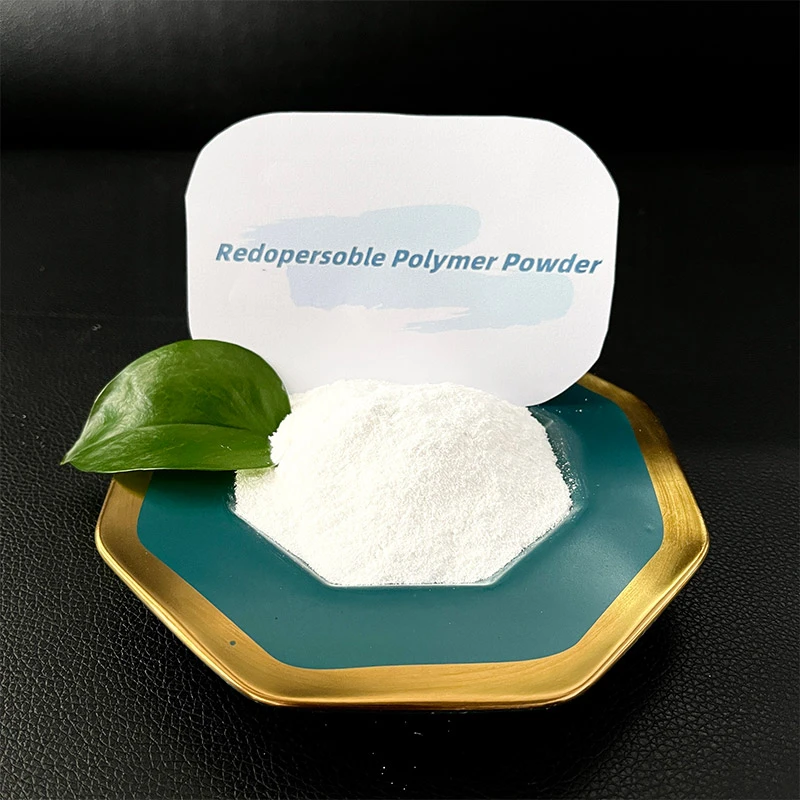
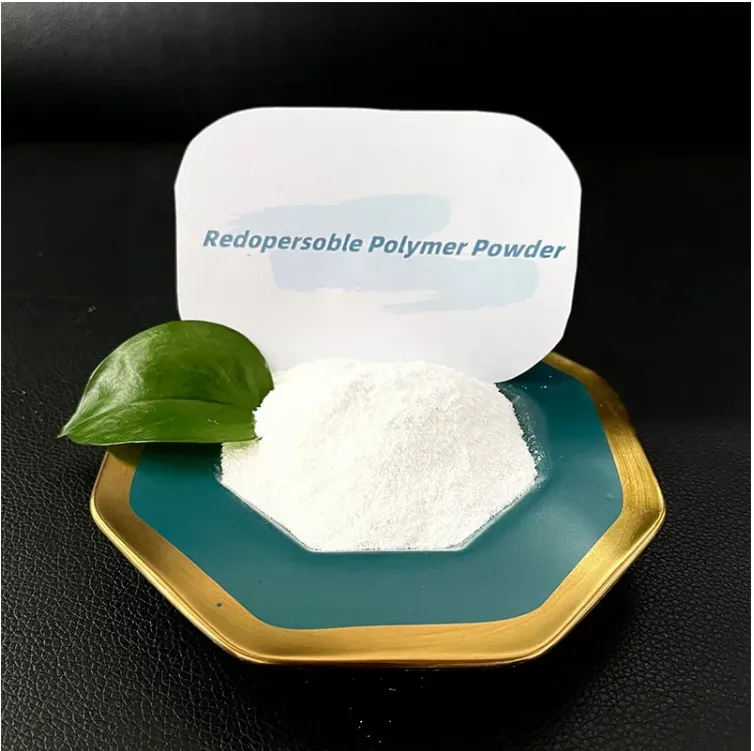
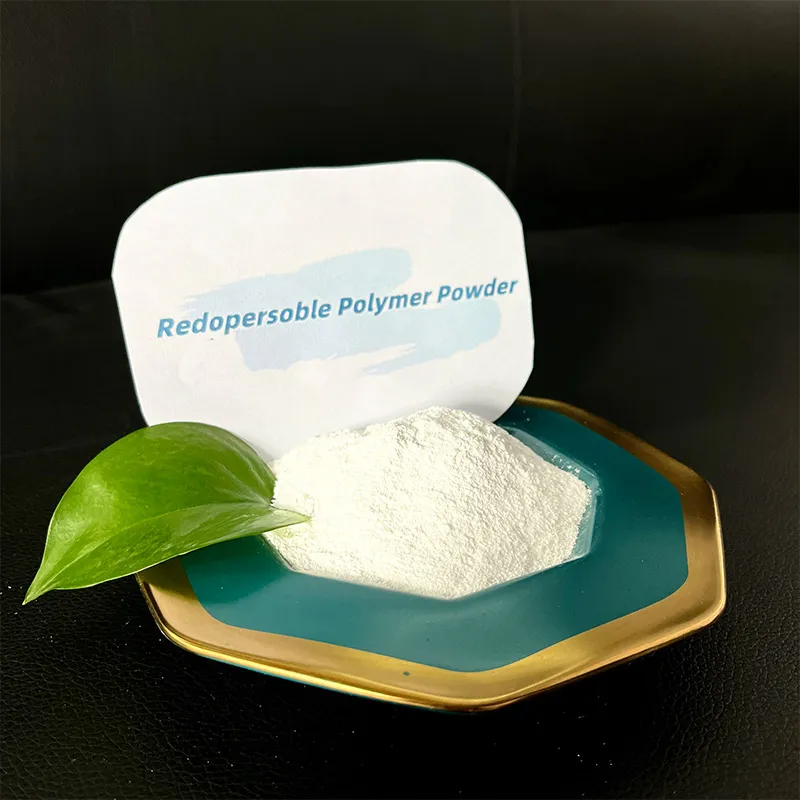
Redispersible emulsion powder (RDP), including redispersible latex powder , polymer powder , VAE redispersible powder , and redispersible powder , is transforming the construction chemical and polymer-modified dry mix industry. This article provides an in-depth overview based on extensive research, industry data, and real-world use cases, helping you choose and apply the ideal **Redispersible powder VAE** ( product link ) for your business scenario. Redispersible emulsion powder for construction applications 1. Industry Overview & Market Trends The global redispersible emulsion powder market is projected to reach USD 3.2 billion by 2028, growing at a CAGR of 5.6% (Source: MarketsandMarkets, 2023). Product demand is driven by the increasing trend toward green construction, polymer-modified mortars, and efficiency in both new construction and renovation. 2024 Demand Hotspots : Asia-Pacific, especially China and India. Primary applications: tile adhesives , self-leveling compounds , EIFS /ETICS wall systems, repair mortars , decorative renders, and water resistance coatings. Leaders: Polyvinyl acetate (VAE) based redispersible emulsion powders dominate due to superior adhesion, flexibility, water resistance, and workability . 2. Technical Parameters & Data Comparison 2.1. Parameter Table: Redispersible Emulsion Powder (RDP/VAE) Comparison Parameter Redispersible Powder VAE Redispersible Latex Powder Polymer Powder (EVA/AE) Appearance White/free-flowing powder White or off-white powder White/light yellow powder Major Chemistry Vinyl Acetate-Ethylene (VAE) Styrene-Acrylic Ethylene-Vinyl Acetate (EVA) Solid Content (%) ≥98 97–99 96–98 Particle Size (μm) 80-150 80–160 80–180 pH Value (20°C in water) 5–8 5–8 6–8 Minimum Film Formation Temp (MFFT, °C) 0–5 3–8 0–8 Redispersibility Excellent Excellent Good Water Resistance Very High Medium Medium to High Flexural Strength (in mortar) ≥7.5 MPa 6–8 MPa 5–7 MPa Recommended Dosage 2–6% by mass 2–5% 3–6% Complies with ISO Yes (ISO 9001/14001) Yes Varies Performance comparison: VAE vs. other polymer powders 2.2. Performance Data Visualization: VAE vs. Other RDP Types 2.3. Key Product: Redispersible powder VAE Technical Specification Sheet Characteristic Specification Chemical Base Vinyl acetate–ethylene (VAE) Appearance White, free-flowing powder Bulk Density (g/l) 350–550 Solid Content (%) ≥98% pH (20°C, 10% aqueous) 5–8 MFFT (°C) 0 Particle Size (μm) 80–150 Film Flexibility High Redispersion Time (s) < 45 Recommended Dosage 1.5–6% (by dry mix mass) ISO/ANSI Certification ISO 14001 / ANSI A118.4 Average Shelf Life ≥24 months (sealed, dry) VAE redispersible powder—enhancing cementitious mortars 3. Manufacturing Process: Redispersible Emulsion Powder The production of redispersible emulsion powder involves highly controlled operations that ensure product consistency, compliance with ISO, ANSI standards, and superior technical performance. Manufacturing Process Flow (VAE-Based) 1. Emulsion Polymerization → Mixing of vinyl acetate, ethylene, & surfactants to form VAE latex emulsion 2. Spray Drying → Emulsion sprayed into hot chamber; water quickly evaporates, powder forms 3. Agglomeration & Collection → Particles agglomerate, then separated/classified by size 4. Anti-caking Treatment → Flow agents (e.g. cellulose ether, silica) added for powder stability 5. Quality Control & Packing → ISO and ANSI standard tests; packed in laminated, moisture-resistant bags [Video: Redispersible powder VAE spray drying - YouTube] Testing & Certification : Each batch passes viscosity, re-dispersibility, and wet abrasion resistance tests according to ISO 14001, EN 12004, ANSI 118.4 , assuring top European/US project compliance. 4. Key Technical Advantages: Redispersible powder VAE Advantage Description Superior Adhesion Significantly improves bond strength of mortars, tile adhesives, patching compounds, especially on low-absorption substrates. Enhanced Flexibility & Crack Resistance Mitigates shrinkage, accommodating substrate movement, excellent in EIFS and repair mortars. Hydrophobicity Reduces water permeability by up to 65%, improving durability in façade/plastering mortars and waterproofing applications. Long-term Durability Withstands carbonation, freeze-thaw, weathering; effective service life often exceeds 20 years in construction. Environmental Compliance Low-VOC, eco-friendly, complies with RoHS, ISO 14001, EU construction chemical standards. Polymer powder greatly improves adhesion strength 5. Manufacturers and Product Comparison Company Product Series VAE Content (%) Certifications Lead Time Typical Applications SSH Chemical RDP-VAE 58/60/70 ≥95% ISO 9001/14001, CE, SGS 5-10 days Mortars, tile adhesives, EIFS, water-proofing Wacker Chemie AG VINNAPAS® Series 90–95% ISO, DIN, LEED 3-12 days Grouts, plaster, renovation DOW Chemical DOW DLP Series 89–92% ISO, ANSI 7-14 days Dry mortars, tile fixing, flooring Lotte Fine Chemical LOTRYL® RDP 88–90% EN, ISO, KOSHA 9-16 days Render, mosaics, outdoor concrete VAE RDP Manufacturers Market Share (2023) 6. Custom Solutions and Project Success Redispersible emulsion powder formulations are tailored for specific needs—ranging from high-flexibility tile adhesives to rapid-setting floor compounds. SSH Chemical offers custom VAE RDP solutions, certified for ISO/ANSI, serving over 180 global contractors in petrochemical, metallurgy, potable and sewer water, and energy sectors. Case Study 1: EIFS/ETICS System Upgrade A German façade contractor upgraded to SSH RDP-VAE-70 in their External Thermal Insulation Composite System (ETICS) for a commercial tower (42,000 m²). Results: Shrinkage cracks reduced by 65%, site labor by 17%, and rain penetration tests (EN ISO 15148) achieved a W2 grade (water absorption ≤0.1 kg/m²·h 0.5 ). Case Study 2: Anti-crack Polymer Render in Gulf Area Facing severe weathering, a Qatar project used custom-formulated redispersible emulsion powder . After 28-day site tests (per DIN EN 14891), rendered walls exceeded 930 N tensile adhesion, and no delamination observed after 250+ cycles of dry-wet/freeze-thaw. Custom VAE RDP used in high-performance façade retrofit 7. FAQ: Redispersible Emulsion Powder Technology (Expert Level) Q1: What is the chemical composition of redispersible emulsion powder ? Most leading RDPs use VAE (vinyl acetate-ethylene), but others employ vinyl acetate homopolymer, EVA, acrylate, or styrene-butadiene—chosen for specific adhesion, flexibility, or water resistance properties. Q2: What is the typical particle size range, and how does it affect performance? 80–150 μm is typical for VAE powders. Finer grade improves redispersion and mortar smoothness while optimizing coverage; coarser grades are used for rough mortars. Q3: Which testing standards are most relevant for RDP quality and installation? ISO 14001 (env.), ISO 9001 (QM), ANSI A118.4 (tile adhesives), EN 12004/EN 14891 (waterproofing/flexural adhesion), ASTM C348 (mortar flexural strength). Q4: How is dosage optimized in different applications? -- Internal wall putty: 1.5–2.5% -- Cementitious tile adhesive: 3–6% -- Flexible waterproof mortars: 5–7% -- EIFS: 2.5–4.5% of dry mix by weight. Q5: Are there special storage or handling requirements? Yes, store sealed container111s dry, under 30°C , avoid moisture, use within 24 months. Opened bags must be resealed. Q6: What industry certifications do SSH Chemical and its partners hold? ISO 14001, ISO 9001, CE, ANSI compliance, product conformances to EN standards, SGS-certified processes; formal partnerships include EPC contractors in Asia, Europe, and N. America. Q7: What about compatibility with admixtures? Redispersible emulsion powders are compatible with cellulose ethers (HEMC/HPMC), defoamers, SRA, retarding agents, and mineral fillers; always test for unexpected interactions if adding new chemicals. 8. Delivery Cycle, Warranty, and Customer Support Service Aspect SSH Redispersible powder VAE Commitment Delivery Cycle Production in 5–7 days; global shipment (FOB/CIF/DDU) 2–6 weeks for bulk orders, 3–9 days for samples. Warranty Product shelf life ≥24 months (packed as per ISO standards); quality replacement policy within 15 days if QC standards aren't met. Technical Support 24/7 response, on-site training/videos available, project-specific mix design consulting, non-disclosure for R&D partnerships. Certifications Formal COA, MSDS, ISO/EN/ANSI certificates, third-party test results (e.g., SGS, Intertek) available prior to shipment. 9. Data Visualization: Performance Trends and Application Share 9.1. Flexural Strength Trend by Application (MPa) 9.2. Application Segment Share - Global RDP Consumption (2023) 10. Conclusion & Further Reading **Redispersible emulsion powder** and specifically VAE RDP continue to enable advanced, durable, and environmentally-sound solutions across the construction and industrial chemical landscape. With industry certifications, custom formulation abilities, and a robust technical support structure, SSH Chemical and peers remain the partners-of-choice for global infrastructure innovators. References: [1] MarketsandMarkets, Redispersible Polymer Powder Market Report 2023 [2] Construction Chemicals Forum, Performance of Redispersible Powders in Thin-bed Mortars [3] ChemEng Magazine, Understanding Modern Redispersible Polymer Powders For further technical discussion and peer review studies, visit TheConstructor Chemical Admixtures Forum .
advantages
-

200000 Viscosities
Excellent product
We can produce pure products up to 200,000 viscosities
-

40000 tons
High yield
We don’t stop production all year round, and the annual output can reach 40,000 tons
-

24 hours
Quality service
We provide 24-hours online reception service, welcome to consult at any time
———— Inquiry Form
Schedule A services



-
 applications_of_rubber_powder_wikipedia
Oct . 25, 2025
Gentamicin with Hydroxypropyl Methylcellulose (HPMC) Eye/Ear Drops A Comprehensive Insight Gentamici -
 hpmc_e5_properties
Oct . 25, 2025
Polypropylene fiber is a versatile, durable material that is used in a variety of applications acros -
 hpmc_gelation_temperature
Oct . 25, 2025
HPMC vegetable cellulose, a plant-derived compound, is revolutionizing the way industries approach p


